
Nestled beneath the towering Mount Elgon, Mbale is a place where tradition meets transformation. Once a quiet town known for its green hills and coffee farms, Mbale is now becoming one of Eastern Uganda’s most dynamic regions. With both Mbale City and Mbale District sharing a population of nearly 580,000 people, their intertwined stories paint a picture of growth, resilience, and hope for the future.
Politics and People: A Tale of Two Voices
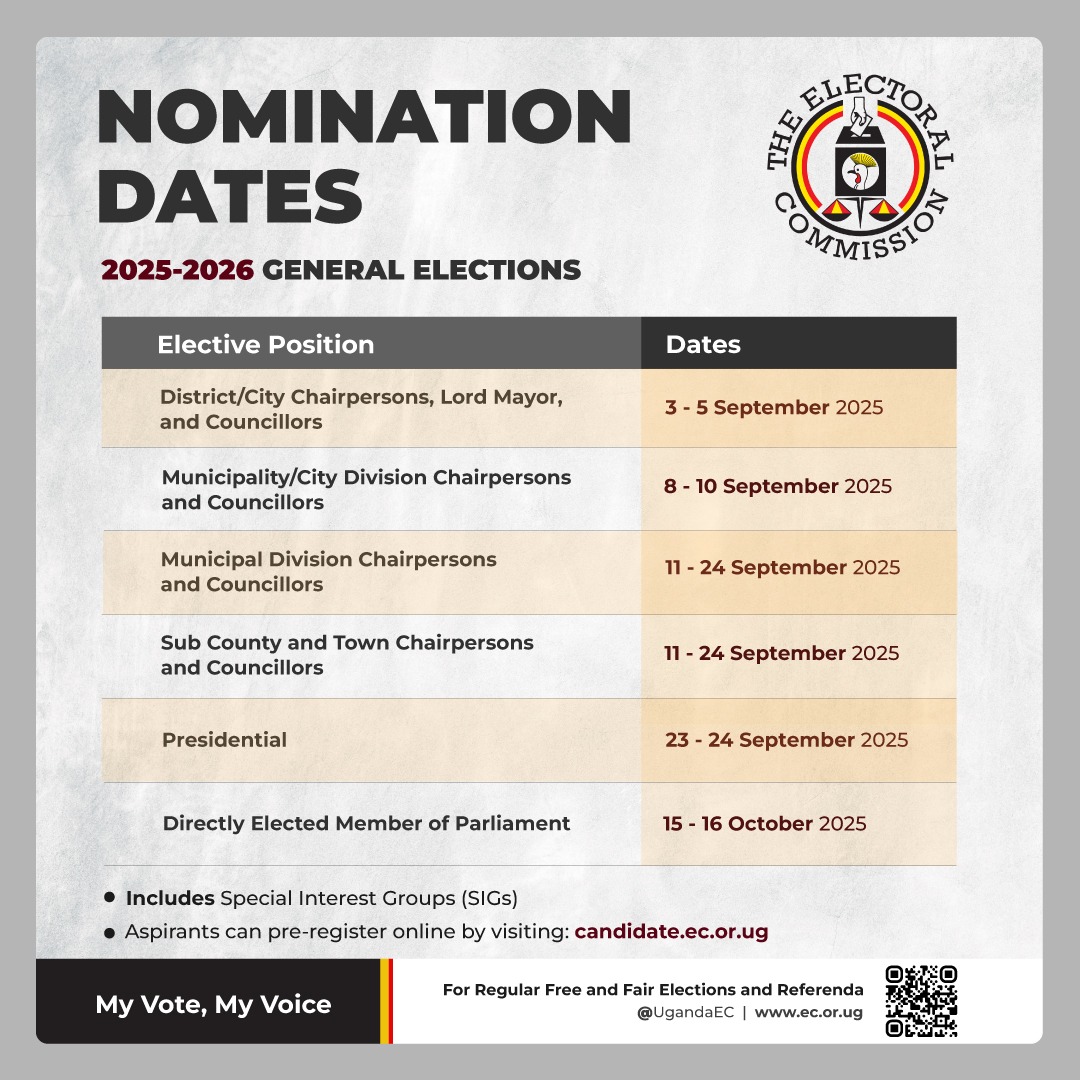
Politics in Mbale reflect its diversity. During the 2021 Presidential Elections, the rural district voted largely for the incumbent, giving him 54% of the vote. In contrast, the more urban and youthful Mbale City chose the opposition National Unity Platform (NUP) with 56.1%. This clear political split shows the differing priorities between rural and urban voters — one focused on stability and the other hungry for change. As the 2025 elections approach, voter registration has surged to over 293,000 combined, showing a more politically active and aware population ready to shape its destiny.

The Industrial Boom: A New Economic Powerhouse
At the heart of Mbale’s transformation is the thriving Mbale Industrial Park — a project that has turned dreams into jobs. What started as a government promise is now a busy industrial hub with 75 factories employing more than 11,000 people. Every month, these factories inject about Shs. 3.3 billion in wages into the local economy, supporting thousands of families. When fully operational, the park will house 100 factories and create over 20,000 jobs, placing Mbale firmly on Uganda’s industrial map and making it a beacon of hope for the entire eastern region.
Development at the Grassroots: PDM and Emyooga Changing Lives
To ensure growth reaches every household, the government has introduced the Parish Development Model (PDM), a program designed to lift people out of poverty. Mbale District has already disbursed 97.7% of its Shs. 27.5 billion allocation, benefiting over 28,000 households. In Mbale City, Shs. 17.2 billion has reached 18,000 homes, empowering families to start small businesses and improve their livelihoods. Still, challenges remain — many households have not yet benefited. But with continued effort, this initiative could turn the tide for thousands more.
Adding to this progress, the Emyooga program has injected Shs. 3.74 billion into 90 SACCOs across the region, helping more than 44,000 entrepreneurs access capital. From market vendors to boda boda riders, many small-scale traders are now part of Uganda’s growing money economy.
Education and Health: Building a Stronger Future
No development story is complete without education and health. Mbale has made progress but still faces gaps. The district has 69 government primary schools, yet 35 parishes remain without one. The city also struggles, with 24 out of 58 parishes lacking a public primary school. At the secondary level, the government is closing the gap by constructing three new seed schools to ensure every sub-county has access to affordable education.
In health, Mbale Regional Referral Hospital — the region’s main medical centre — is expanding with new facilities, including an oxygen plant, a Neonatal Intensive Care Unit, and a modern medical store. Plans are underway to upgrade Busiu and Namatala Health Centres to general hospitals, ensuring better and faster healthcare access for all residents.
Water, Energy, and Agriculture: The Lifelines of Growth
Access to clean water is improving rapidly. In rural areas, 79% of villages now have safe water sources, while urban projects like the Mbale Municipal Piped Water Scheme are serving over 163,000 residents. Across the region, more than 280,000 people now have clean water.
To boost agriculture, the government is investing in water-for-production projects like the Wabukhasa valley tank and the Nankusi solar irrigation scheme. These efforts aim to reduce dependence on rainfall and increase food security by promoting irrigation-based farming.
Energy, too, is transforming Mbale’s story. With both the city and district connected to the National Grid, power is driving factories, lighting schools, energizing hospitals, and powering small businesses born out of PDM and Emyooga.
Conclusion: A Shared Future on the Rise
The story of Mbale City and Mbale District is one of unity in diversity. From political awakening to industrial progress, from better schools to cleaner water, the region is on a clear path to prosperity. The people of Mbale — both rural and urban — are proving that with vision, investment, and determination, even a region at the foot of a mountain can rise to greatness.