

Ugandans have been caught by surprise after the Uganda Communications Commission (UCC) ordered a temporary shutdown of public internet access and selected mobile services during the election period. The directive, which takes effect at exactly 6:00pm on January 13, 2026, has already triggered concern and debate across the country.
According to the UCC, the shutdown will affect all public internet services. This means that millions of people who depend on mobile data and other internet connections will temporarily lose access to online platforms. Social media, messaging apps, web browsing, and other common online services will not be available during this period.

In addition to internet access, the directive also suspends the sale and registration of new SIM cards. Outbound data roaming services have also been halted, limiting communication for travelers and cross-border users during the elections.
The UCC explained that the decision was taken in the interest of national security. Authorities believe restricting internet access will help control the spread of misinformation, reduce online incitement, and prevent confusion that could disrupt the electoral process.
Despite the wide shutdown, the government has allowed essential services to remain operational. Critical sectors such as healthcare, banking, tax systems, and key government platforms will continue to function under strict controls.
Hospitals and national referral health facilities will maintain internet access to ensure patients continue to receive vital services. Banks and financial institutions will also stay connected to support payments, salaries, and other essential transactions.
Access to these exempted services will be limited to authorised users only. The systems will operate on secure, monitored networks to prevent misuse during the shutdown period.
Many citizens have expressed worry about how the internet blackout will affect daily life. Online businesses, mobile money agents, journalists, and students are among those expected to feel the biggest impact.
For small businesses that rely on online platforms, the shutdown means loss of income and reduced customer access. Media houses may also struggle to share timely updates, forcing many people to rely on radio and television for information.
The UCC has not given a specific date for restoring internet services. Officials say services will only be switched back on after a formal notice is issued, depending on the security situation during the election period.
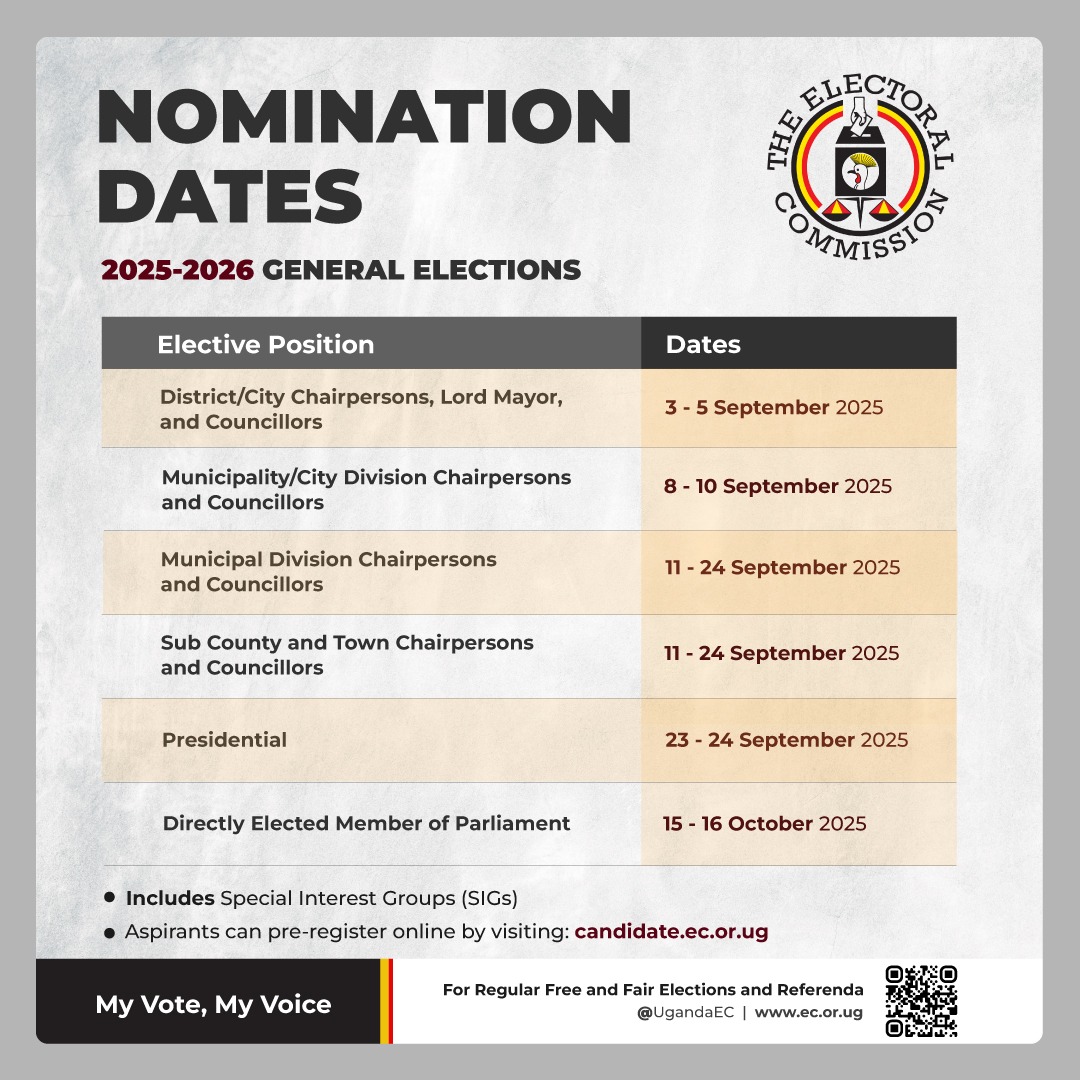
As Uganda prepares to head to the polls, the internet shutdown has become a major talking point. While the government insists the measure is necessary for peace and stability, many citizens hope the restriction will be lifted as soon as possible.