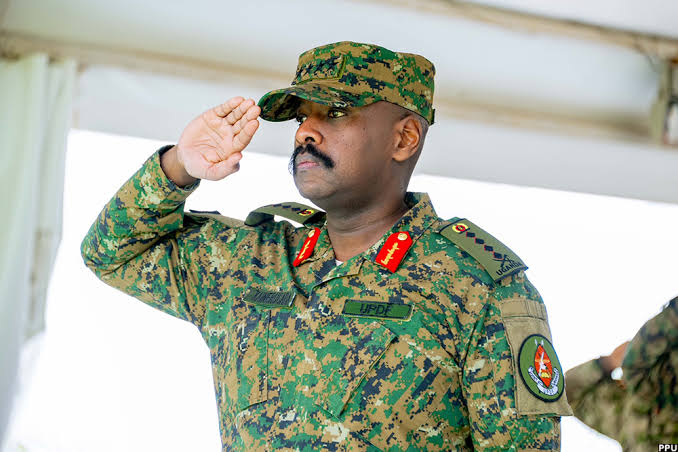

Uganda’s political scene has once again heated up after strong remarks from General Muhoozi Kainerugaba about opposition leader Bobi Wine and his political party, the National Unity Platform (NUP). In a bold statement, Gen. Muhoozi said that Bobi Wine “thinks this ends at tweets” and warned that the government could soon declare NUP a terrorist organization. His words have sparked debate across the country and raised concerns about the future of political competition in Uganda.
Bobi Wine, whose real name is Robert Kyagulanyi, has become one of the most popular opposition figures in Uganda. Through social media and public rallies, he has often criticized the government and called for political change. His party, NUP, has attracted many young supporters who believe in his message of reform and accountability. Social media has played a big role in his communication strategy, allowing him to reach both local and international audiences quickly.
On the other hand, Gen. Muhoozi’s comments suggest growing frustration within government circles over the opposition’s activities. Calling a political party a terrorist organization is a very serious step. If such action were taken, it could lead to arrests, restrictions, and a major shift in Uganda’s political environment. Many observers believe this kind of move would increase tensions and create fear among supporters of the opposition.
Uganda has experienced political disagreements before, especially during election periods. However, strong public statements like this show that the relationship between the ruling establishment and opposition groups remains deeply strained. Some citizens support tough measures, arguing they are necessary for national security. Others worry that such actions could limit freedom of speech and weaken democracy.
As the country watches closely, the future of NUP and the political space in Uganda remains uncertain. What happens next will not only affect Bobi Wine and his party, but also shape the direction of political dialogue in the nation. For many Ugandans, the hope is that differences can be handled through peaceful discussion rather than further division.