
Parliament’s Committee on Commissions, Statutory Authorities and State Enterprises (COSASE) has questioned the Uganda Civil Aviation Authority (UCAA) over the Shs5.3985 billion cost of a specialised aircraft rescue and firefighting truck at Entebbe International Airport.
The committee is seeking to establish how UCAA arrived at the price of the Lion 6×6 aircraft rescue and firefighting truck, with members demanding a clear explanation of what makes the vehicle worth billions of shillings.

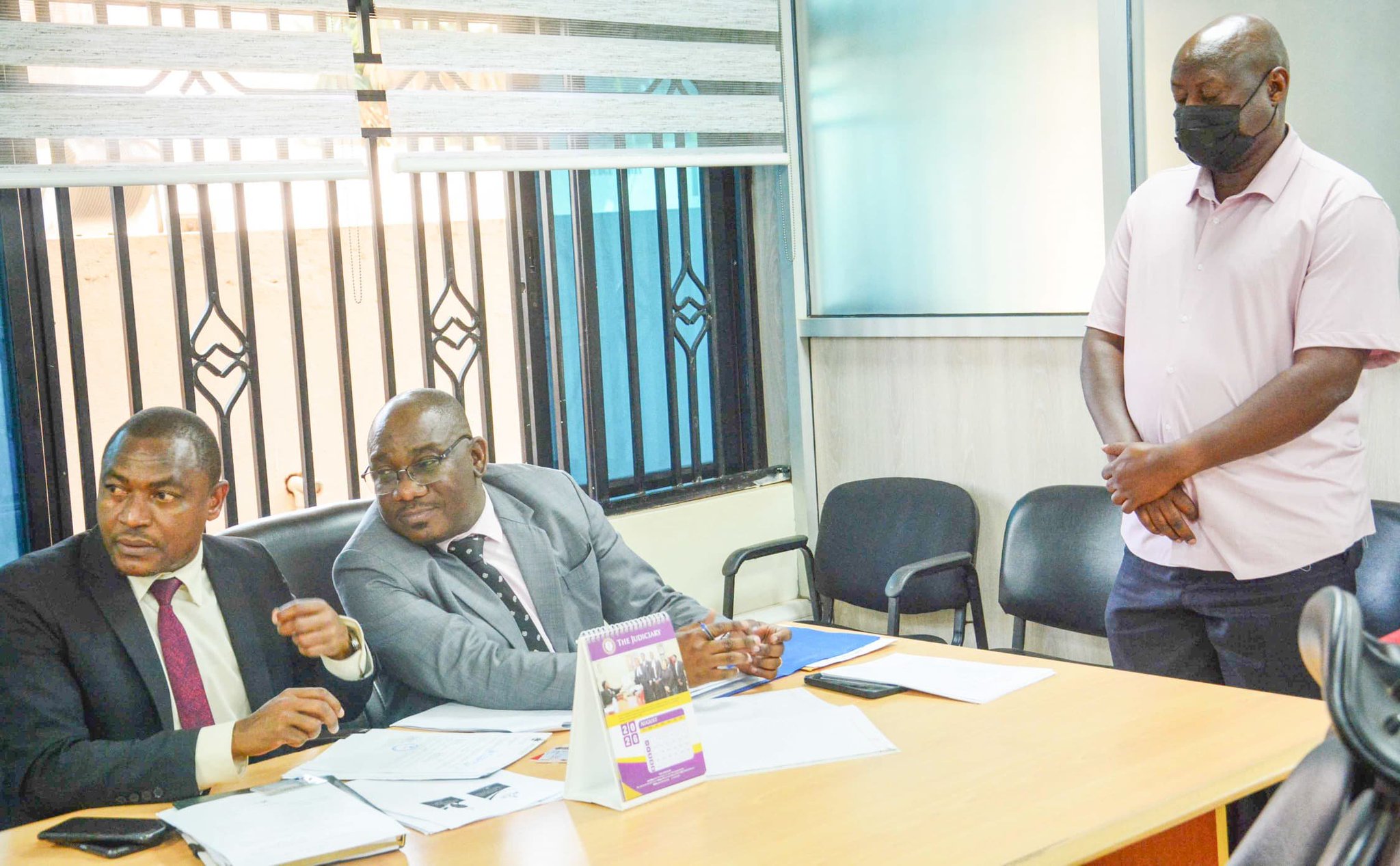
During the scrutiny, COSASE Chairperson Muwada Nkunyingi questioned the authority about the cost of the vehicle and asked UCAA officials to explain the factors behind the price.
“We want to know how yours cost Shs5.3 billion. What is the uniqueness? How did you arrive at this cost?” Nkunyingi asked.
UCAA officials explained that the truck is not an ordinary firefighting vehicle but specialised equipment designed specifically for aircraft emergencies. The vehicle reportedly carries 12,500 litres of water and is fitted with foam-fighting equipment and rescue tools needed during aircraft accidents and other emergencies at the airport.
The authority also told the committee that the truck was acquired at a comparatively lower price than similar aircraft rescue and firefighting vehicles used in other airports within the region.
However, COSASE was not satisfied with the explanation alone and wants an independent assessment of the vehicle’s market value.
The committee has tasked its researchers with finding out the prevailing market prices of comparable aircraft rescue and firefighting trucks to determine whether the amount paid by UCAA was reasonable.
COSASE has also directed UCAA to submit the complete procurement file for the truck for detailed scrutiny.
The inquiry is expected to examine the procurement process, the specifications of the vehicle, the justification for its cost and whether the amount paid represented value for public money.
The Shs5.4 billion price tag has therefore come under increased parliamentary scrutiny as COSASE continues to investigate how public funds are spent by government agencies.